


The DOMOVA team was invited to take part in the Ukraine Recovery Conference 2026 in Gdańsk, held on 25–26 June 2026 and jointly organised by the governments of Poland and Ukraine. For us, this was not just attendance at an international event, but a working trip with a clear focus: the recovery of Ukrainian cities, the attraction of private capital, and the search for practical mechanisms to address old, unsafe, and damaged housing stock.
The scale of this year’s conference speaks for itself. According to various estimates, around 7,500 participants gathered in Gdańsk, including nearly 70 official delegations and representatives of approximately 40 countries at the governmental level. The conference was opened by Prime Minister of Poland Donald Tusk and Prime Minister of Ukraine Yuliia Svyrydenko. President of the European Commission Ursula von der Leyen and German Chancellor Friedrich Merz also confirmed their participation. Over the two days, nearly 200 agreements, memoranda, and letters of intent were signed, with a total value exceeding EUR 1.5 billion.
URC2026 once again demonstrated that there is strong interest in Ukraine. International businesses, funds, chambers of commerce, public institutions, and investors are ready to consider cooperation opportunities. But almost all of them are saying the same thing: they need not general ideas, but specific projects with clear economics, a transparent legal structure, and a real implementation mechanism.
This is exactly the direction in which our team worked during the conference.
Urban recovery requires more than funding
At URC2026, there was much discussion about financing, investment, international programmes, and support for Ukraine. For example, under the Ukraine Investment Framework, EUR 524 million was mobilised for municipal projects, with an additional EUR 149 million directed to transport infrastructure development. A memorandum was also signed between Ukraine, the European Commission, and the European Investment Bank, opening the way for an additional EUR 120 million for transport, energy, and digital infrastructure.
However, our main conclusion is very practical: money alone does not launch recovery.
For private capital to enter a project, an investor needs to understand:
- what specific asset or project is being proposed;
- what its economics are;
- what legal risks exist;
- who is responsible for implementation;
- how cooperation with the city, the community, and property owners is structured;
- what result can be achieved.
Without this, even a strong idea remains only an idea.
For Ukrainian cities, this is especially relevant. Many assets that require renewal have complex ownership structures, technical issues, social sensitivity, and legal limitations. These are not projects that investors can enter quickly or without preparation.
What we discussed at URC2026
During the conference, the DOMOVA team held a number of working meetings with representatives of international business, institutions, and organisations working on Ukraine’s recovery.
We presented our approach to old and damaged housing stock and discussed how such projects can be prepared for investors. These conversations confirmed an important market need: international partners are ready to consider real projects, but only if they have a clear economic rationale, legal logic, and a transparent implementation mechanism.
It is also significant that the municipal level received separate attention this year. Oleksii Kuleba, Deputy Prime Minister for Restoration of Ukraine and Minister for Communities and Territories Development of Ukraine, noted that the conference showed a transition from responding to the consequences of war to long-term reconstruction planning. A portfolio of public-private partnership projects with an estimated value of EUR 5–10 billion was also presented at the event. Mykolaiv, in particular, presented its recovery experience at the conference and was among the cities whose practical cases investors studied most closely.
In other words, the market is not looking for abstract opportunities. It is looking for projects that can be verified, assessed, financed, and implemented.


Public-Private Partnership as one of the key instruments
One of the important topics at URC2026 was public-private partnership.
For urban recovery, this instrument is highly relevant. State and local budgets will not be sufficient to address all reconstruction needs. At the same time, private capital cannot work effectively where there are no rules, structure, or accountability.
The role of local self-government was also emphasised at the European level. Mayor of Gdańsk Aleksandra Dulkiewicz stressed that Ukraine’s recovery cannot be managed only from offices in capital cities, and that the success of transformation depends on trust — between central and local authorities, between the state and citizens, and between Ukraine and its European partners. The same point was discussed ahead of the conference during consultations involving Deputy Minister for Communities and Territories Development Oleksii Riabikin and representatives of the European Committee of the Regions.
This is why public-private partnership is viewed as one of the mechanisms capable of bringing together the interests of communities, the state, businesses, and investors.
But there is an important point here: international investment can enter municipal projects only when those projects are properly prepared. This is not just about a presentation or an idea, but about legal, economic, and organisational structuring.
For DOMOVA, this logic is very close. We work precisely with the types of assets where the process simply does not move forward without preparation.
Why housing stock is part of economic recovery
Old, unsafe, and damaged housing stock is often perceived as a social or municipal problem. In reality, however, it is also an economic issue. It is no coincidence that, among the key outcomes of URC2026 in Gdańsk, new housing programmes were highlighted alongside investments and digital tools for reconstruction.
Such buildings occupy urban land, shape the appearance of districts, and influence residents’ safety, infrastructure, and the investment attractiveness of entire areas.
The challenge is that a single building may have dozens of owners. Each of them has their own position, circumstances, and expectations. For a developer or investor, this creates a complex process. For the city, it becomes a problem that can remain unresolved for years. For residents, it means living in uncertainty.
That is why a mechanism is needed to help unite owners, form a clear asset, and make it suitable for further work with an investor or developer.
DOMOVA is working to make complex assets within old, unsafe, or damaged housing stock understandable for all parties.
For owners, this is an opportunity to exit a problematic asset through a collective decision. For developers and investors, it is an opportunity to work not with a chaotic set of individual apartments, but with a prepared asset and a clear process. For the city, it is a chance to receive new construction, renewed urban areas, and more efficient use of land.
This is the approach we discussed during URC2026. And it is precisely this approach that, in our view, can become part of a practical model for urban recovery.
What the trip confirmed
URC2026 confirmed several important points:
- First, international interest in Ukraine exists, and the scale of this year’s conference — thousands of participants, dozens of delegations, and nearly 200 signed agreements — clearly demonstrates this.
- Second, investors are ready to discuss specific projects, but they want to see a prepared structure, clear economics, and understandable rules.
- Third, municipal projects have significant potential. This year, hundreds of millions of euros were allocated specifically to them, and a public-private partnership portfolio worth billions was presented. However, such projects require high-quality preliminary preparation.
- Fourth, housing recovery cannot be considered separately from urban development, investment, and partnership with the private sector.
After the conference, we continue working with the contacts established during the trip and on preparing projects that can be understandable for international partners and private investors.
Ukraine’s recovery is not only about major international programmes. It is also about daily work with specific assets, owners, communities, cities, and investors. Ukrainian cities need not only funding, but also mechanisms that can turn complex problems into implementable projects.
This is what we are working on.
The full-scale war in Ukraine continues, and some may ask, “Why draft strategic plans now?” The answer is global: on 10–11 July in Rome, URC2025 — the Ukraine Recovery Conference — gathered more than 4,000 government, business, and civil-society leaders from over 100 countries who confirmed their commitment to post-war reconstruction. At the same venue, European Commission President Ursula von der Leyen announced the creation of the European Flagship Fund for Ukraine — a vehicle pooling resources from the EU, France, Germany, Italy, Poland, and the European Investment Bank to finance municipal recovery projects.
That is why, despite daily challenges, Odesa is already shaping its City Development Strategy to 2035. DOMOVA has joined the process as an Odesa-headquartered company with deep expertise in the housing sector.
The process is steered by a team of coordinators from the Agency for Recovery and Development (AVR) and already involves more than 300 participants — representatives of business, education, science, healthcare, transport, security, utilities, as well as diplomats and foreign investors.
The financial and organisational framework is provided by UNDP Ukraine through the project “Transformational Recovery for Human Security in Ukraine,” funded by the Government of Japan. Locally, the initiative is supported by Odesa 5T Office, Civitta, and the Odesa Regional Development Agency. Community engagement and information outreach are ensured by the platforms Na Chasi and NGO ZMISTOM.
DOMOVA’s contribution
We contribute to the working groups on Housing and Communal Services (HCS) and Economy, Business, Entrepreneurship. Key HCS proposals already included in the first draft of the strategy are:
- A single standard for transferring transformer substations from developers to the municipal balance so that energy-loss costs are not borne by residents.
- A comprehensive inventory of elevators, roofs, and in-house networks with an open registry to enable transparent repair planning.
- A 90/10 co-financing model for condominium associations (OSBBs) covering capital repairs and energy-efficiency upgrades.
Why this matters now
- Window of opportunity. The Recovery Coalition presented in Rome provides direct financing mechanisms for municipal projects. The sooner Odesa presents ready-to-implement solutions, the easier it will be to attract funds.
- Public demand. Hundreds of ideas collected during the sessions show that Odesians want to co-create the city’s future rather than remain passive observers.
- Immediate start after hostilities cease. Documents, procedures, and technical briefs must be ready so that, when the war ends, we can move instantly from words to construction.
Next steps
By year-end, the working groups will align priorities and prepare a roadmap for the first projects in 2025–2027.
DOMOVA, with its head office in Odesa, is committed to ensuring the city becomes one of the first beneficiaries of the new international funds.
On March 6, 2025, Kyiv hosted the Ukrainian Construction and Investment Congress, where key challenges and opportunities for Ukraine’s real estate market were discussed. The panel discussion, “Real estate investment: market reset after the war and new housing formats,” brought together leading developers and investors to outline the main trends.
Demand for quick move-in and ready housing
“In recent years, Ukrainians have realized the importance of living in the present rather than postponing life for tomorrow. As a result, the main trend is that people are purchasing housing to move in as soon as possible. The market has revived, sales are increasing, and people continue to invest and buy,” noted Mark Marchenko (SENSAR Development).
This trend also influences investors, who are no longer willing to wait for extended project implementation timelines. “Investors now expect a return within two years,” added Dmytro Struk (Kreator-Bud).
Income-generating real estate and new formats
Not only residential apartments for personal use remain in demand, but also investments in profitable real estate. “Trends include income-generating real estate, hotel formats, and low-rise construction,” emphasized panel participants.
Dmytro Struk also pointed out the growing demand for compact apartments: “The income real estate sector is developing, and demand for small-sized apartments is increasing.”
Changes in architectural solutions
Construction is adapting to new conditions. “Profit margins have been reduced, low-rise buildings are being constructed in Kyiv (9, 12, and 4 stories), and new buildings are incorporating reinforced safety rooms made of monolithic concrete,” explained Struk.
The quality of project solutions has improved significantly. “In development, the approach of ‘we’ll figure it out later’ has disappeared—previously, developers would build space and later decide how to utilize it. Now, project quality has increased, not only from an aesthetic standpoint but also in terms of economic feasibility,” emphasized Andriy Vavrysh (SAGA Development).
Geographic distribution of demand
The market situation varies across regions:
- Kyiv – demand is growing, with an increase in sales compared to the past two years;
- Eastern Ukraine – activity has declined due to security risks;
- Odesa – a complex situation, but with the potential for seasonal growth: “Odesa’s real estate market follows a seasonal pattern, with activity increasing closer to the summer season,” noted Oleksandra Koval (Zezman Holding);
- Uzhhorod – demand for real estate remains, though not as high as in previous years. While investors previously actively invested in properties at the construction stage, they now prefer completed properties.
Foreign investors and market confidence
“Ukrainians currently living abroad are purchasing real estate, but not at the foundation stage—they are opting for move-in-ready housing. This brings significant optimism and hope that people will return from abroad,” stated Oleksandra Koval (Zezman Holding).
Conclusions: market transformation and development prospects
Ukraine’s real estate market is demonstrating adaptability and resilience in the face of new challenges. The main trends indicate a shift in strategies among developers and investors:
- The demand for quick move-in options is driving the development of ready housing, while long construction cycles are becoming less attractive. Developers are shifting towards shorter project timelines and more predictable business models.
- Income-generating real estate continues to develop, particularly in low-rise construction, apart-hotels, and rental housing formats.
- Security solutions have become an essential component of new projects, affecting both construction technologies and overall developer costs.
- The geographic distribution of demand has changed: Kyiv and the Kyiv region remain the market’s driving force, western regions are stabilizing, while interest in eastern cities remains low due to security concerns.
Overall, key market players conclude that real estate in Ukraine remains an attractive investment instrument, even amid economic uncertainty. At the same time, the market is maturing: risk tolerance is decreasing, and priority is given to projects with clear economic models and predictable implementation timelines.
In the long run, the future of the sector will be determined by security conditions, urban planning policies, and the pace of economic recovery.
Being a startup means constantly evolving, adapting, and seeking new solutions. Most importantly, it means receiving high-quality feedback from those who have already navigated this path or are shaping the future of the market.
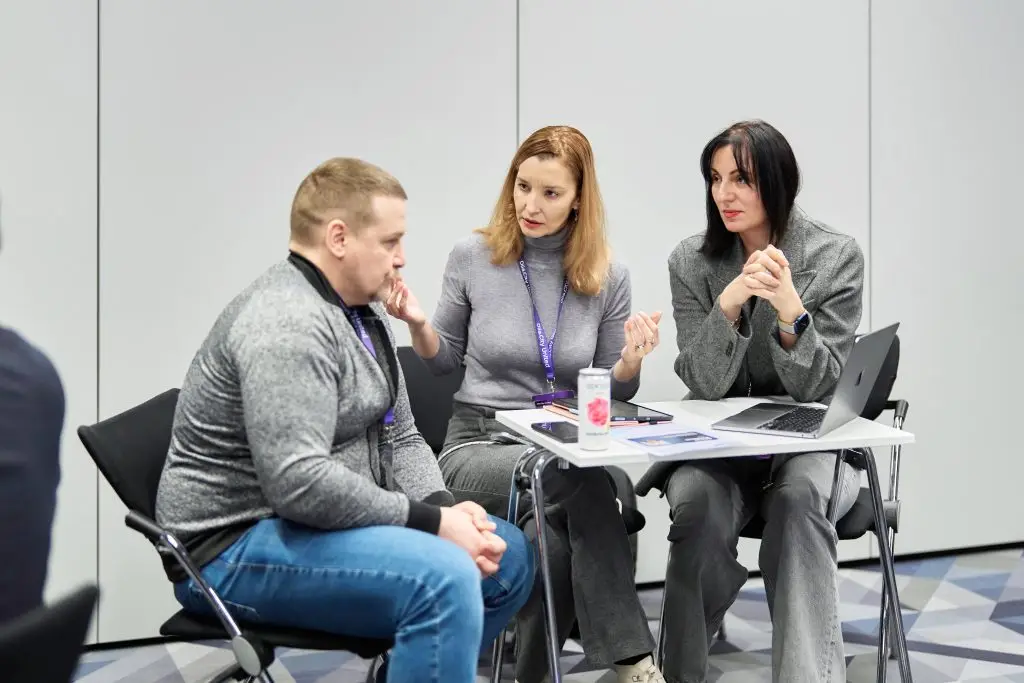
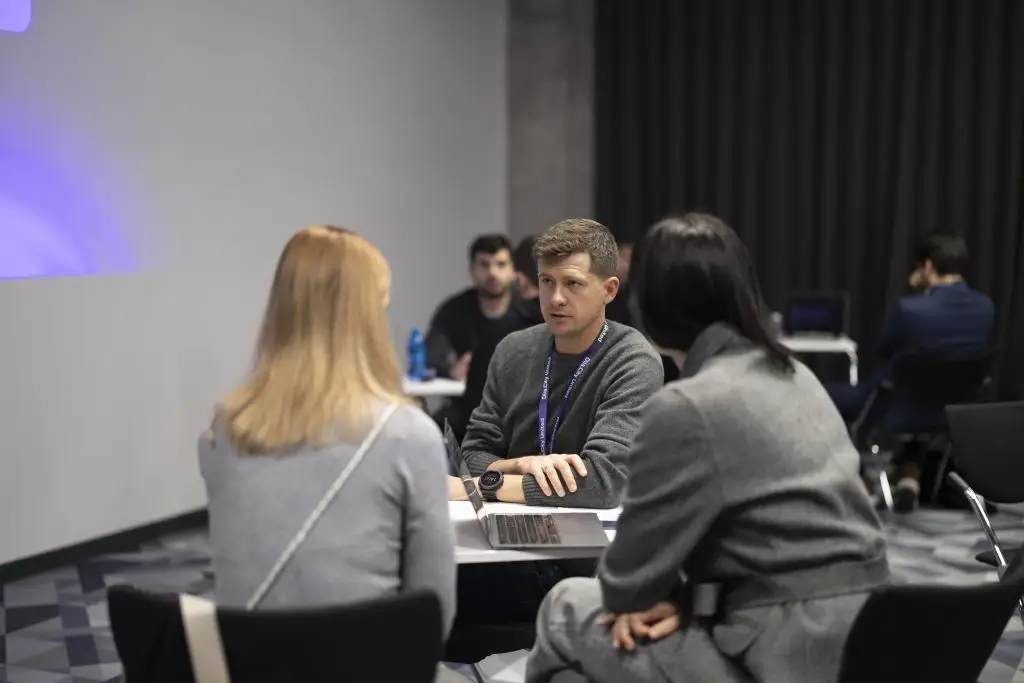
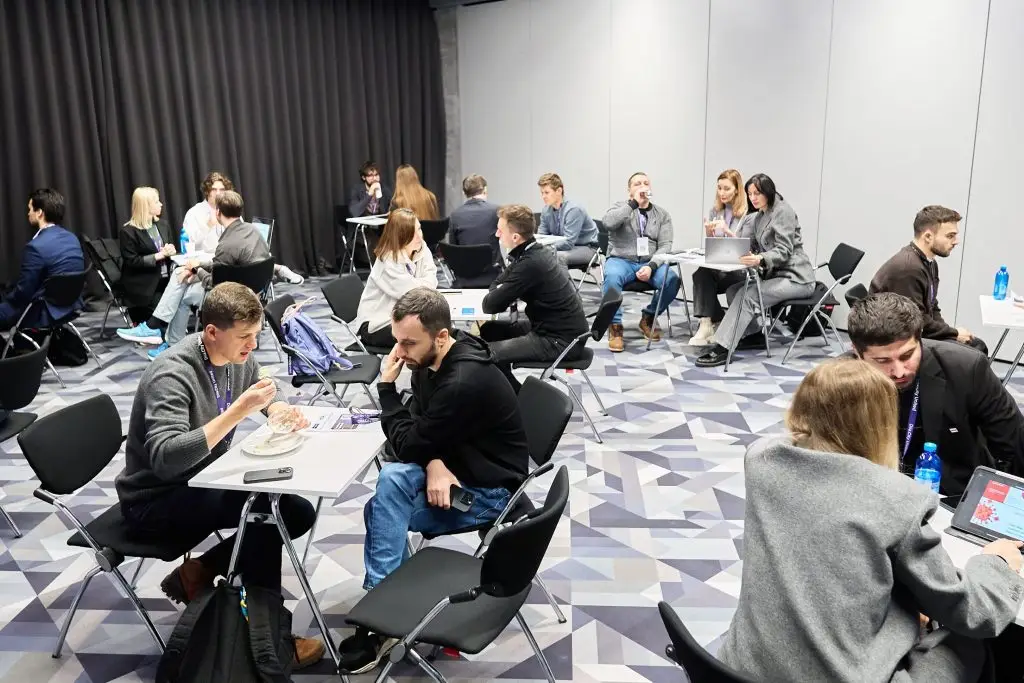
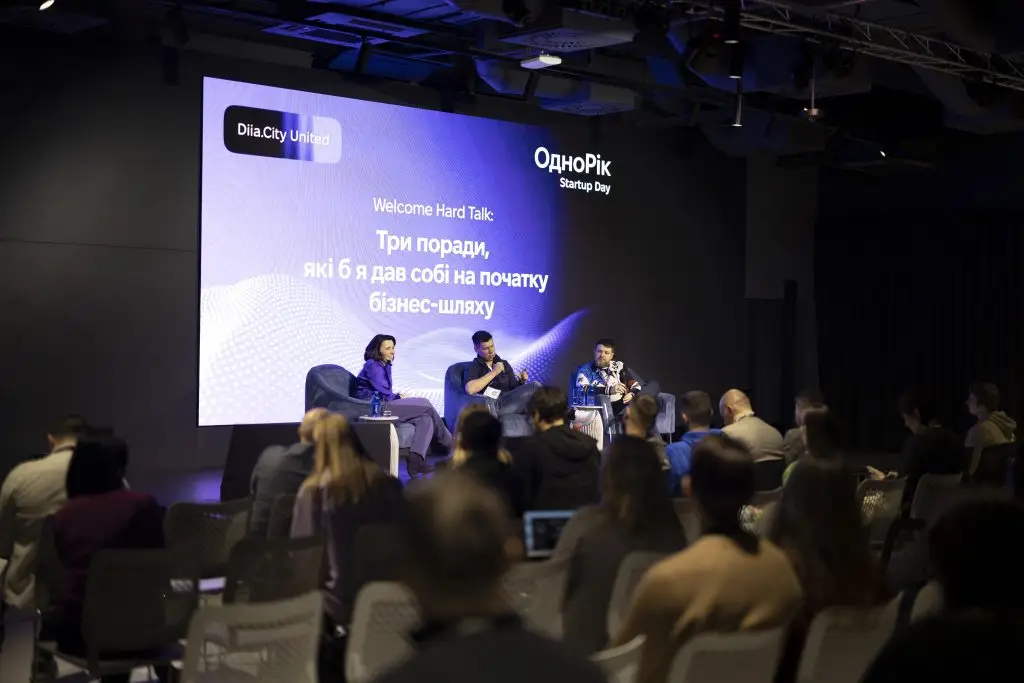
At Diia.City United | OdnoRik: Startup Day, we were not just attendees — we actively participated, engaged in rigorous yet valuable pitch grilling, answered challenging questions, and received honest feedback.
We joined OdnoRik to test our hypotheses, assess market prospects, and engage with decision-makers in the venture capital and real estate development sectors. OdnoRik: Startup Day by Diia.City United is more than just another conference. It is an ecosystem where experience, insights, and real-world cases converge, helping young companies grow and scale.

Office hours: in-depth analysis from experts
One of the event’s most valuable formats was individual mentorship sessions. We had the opportunity to meet with top investment experts who provided crucial insights into the strategic development of DOMOVA.
Dmytro Kuzmenko, Executive Director of the Ukrainian Venture Capital and Private Equity Association (UVCA), emphasized the challenge of targeting the right audience: residents are not the drivers of change. They do not make decisions but merely react to proposals. The real key players are investment funds, realtors, and developers.
Petro Soviak-Krukovskyi, Investment Director at Vesna Capital, stated directly: investors do not search platforms themselves. They rely on intermediaries. This means DOMOVA must either position itself as an analytical platform for real estate agents or develop a model for providing direct access to pre-selected development-ready properties.
Ivan Petrenko, Managing Partner at Angel One, outlined our core challenges: What is the cost of acquiring users? When will commissions break even? He also highlighted a key market shift: real estate development is moving toward the periphery, where there is genuine demand for large-scale projects.
This was the kind of honest, challenging, and valuable feedback that helps us see the bigger picture.
We are researching the market, seeking investors, and analyzing the needs of developers and real estate agents. But to grow faster, we must listen to those who work daily with capital, analytics, and strategic development.
We are deeply grateful to Diia.City United, for the high-quality networking and access to leading experts.
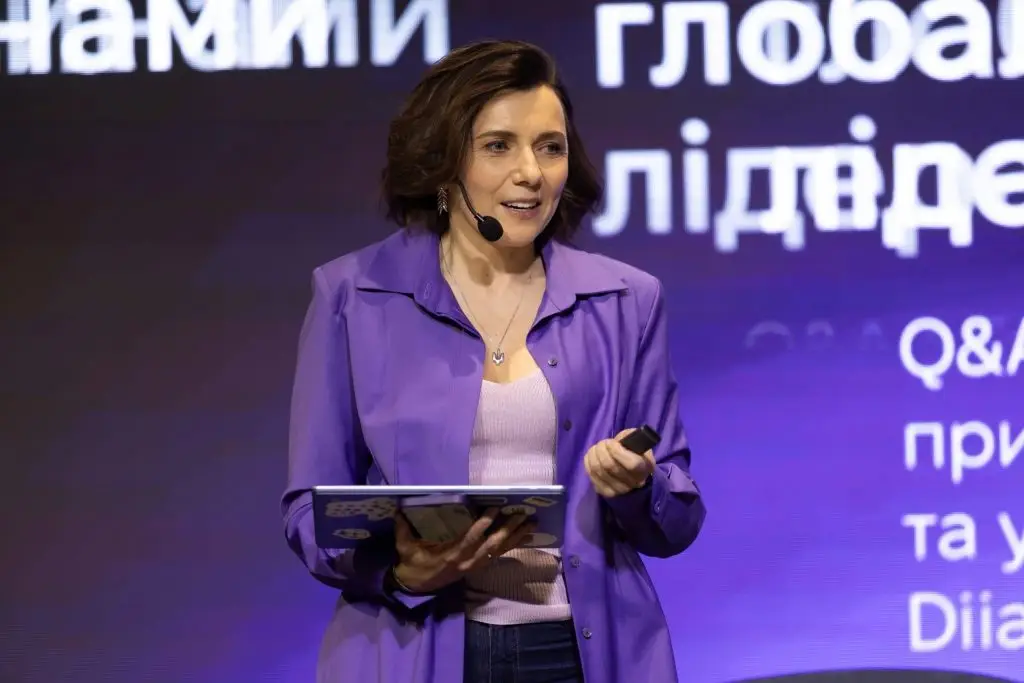
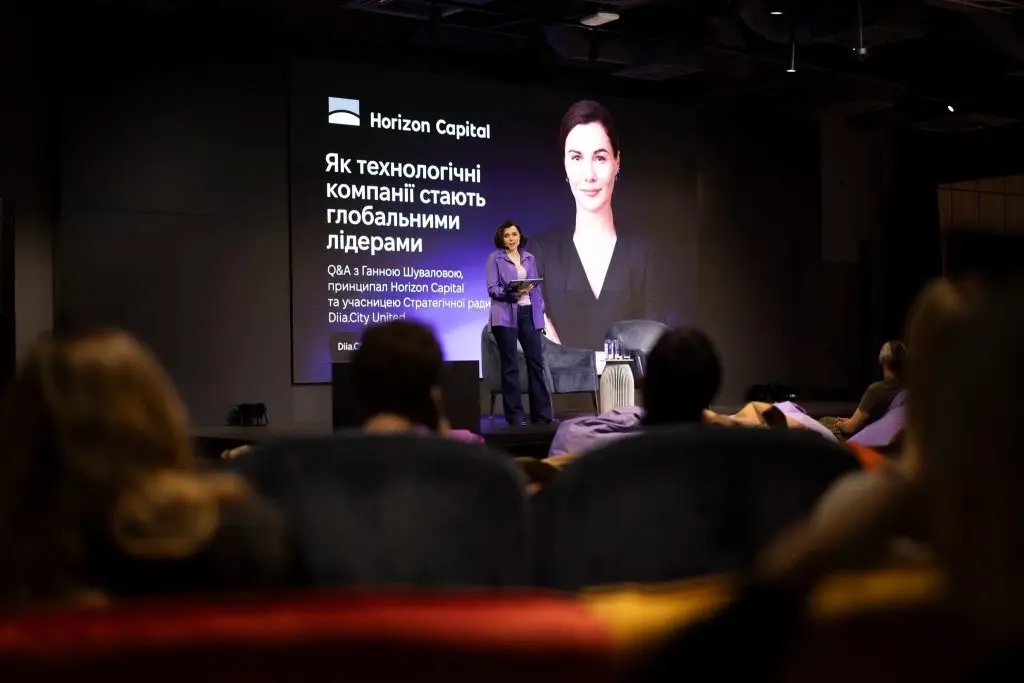
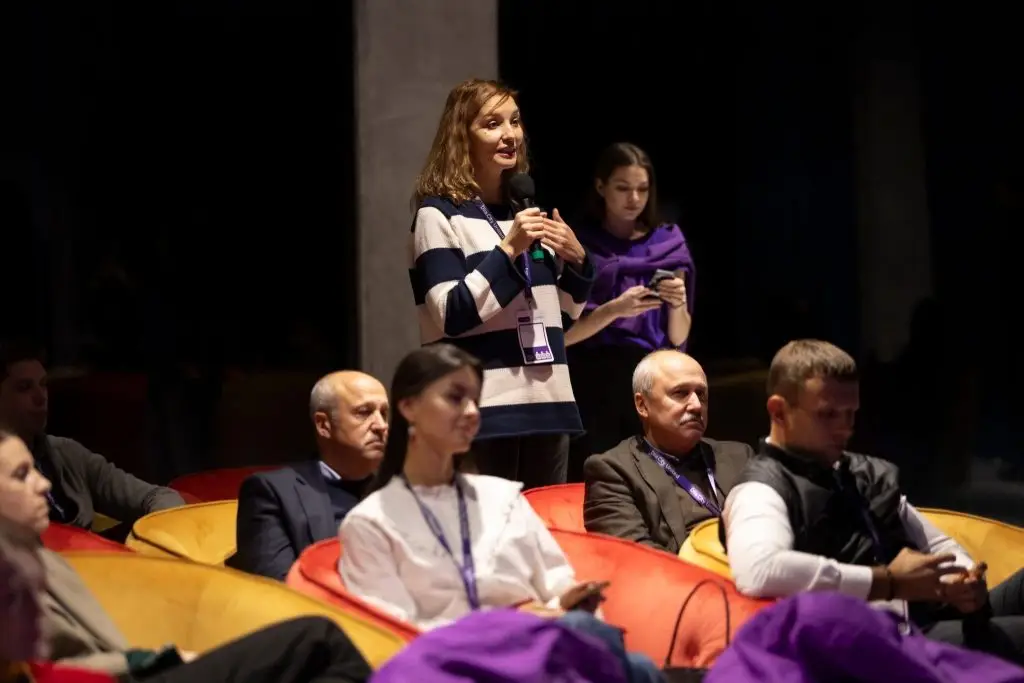
On January 21, our team had the opportunity to attend an exclusive Q&A session with Hanna Shuvalova, Principal at Horizon Capital, a member of the Strategic Council of Diia.City United, a Stanford Graduate School of Business alumna, and co-founder of the Pawa venture studio. The event was moderated by Natalia Mykolska, Executive Director at Diia.City United, and took place in Kyiv in a hybrid format. The discussion focused on the challenges and opportunities for Ukrainian businesses during wartime, female leadership, and attracting investments. Below are the key takeaways.
What does it take to attract investments?
Hanna began with a key insight: the ability to attract investments depends on the stage of a company’s development. She compared businesses to trees: early-stage companies (“seed” stage) can attract funding, but resources are limited. At Series A and B stages, larger opportunities arise, but so do investor expectations. Horizon Capital focuses on technology companies with global growth potential.
Before seeking investors, Hanna emphasized that companies should:
- Understand investor expectations – identify which industries, growth stages, and metrics are of interest to them.
- Prepare for a long “dating period” – building trust with investment funds can take years.
- Develop a strong investment thesis – formulate a clear vision for business growth backed by solid data.
Why does business need “silence”?
“Business thrives in an environment of silence and stability,” Hanna emphasized. Transparent regulations and a favorable policy framework are the foundation for developing startup ecosystems. Businesses need an environment where risks and rules are predictable, alongside government support. Unfortunately, in Ukraine, the lack of risk insurance remains a significant issue, making foreign investors hesitant to enter the market.
Female leadership: challenges and opportunities
As one of only two women in Horizon Capital’s top management, Hanna shared her experience in achieving success in a male-dominated industry. She emphasized that leadership is not defined by gender but requires continuous growth, taking responsibility, and having the courage to ask questions.
Her key advice: “Don’t be afraid to appear weak. Ask for help, challenge assumptions, and keep moving forward.”This approach not only fosters personal development but also strengthens teams.
The future of Ukraine’s startup ecosystem
Hanna highlighted the importance of systemic changes needed to support startup growth in Ukraine. Key areas include:
- Regulatory support. The government must create conditions that enable businesses to operate efficiently, attract investments, and scale.
- Openness to international markets. This includes both legal and business aspects, as global collaboration is essential for growth.
- Promoting achievements. Even in difficult times, Ukraine must actively showcase its successes on the global stage to attract investors and partners.
Tech companies: the future of Ukraine
Horizon Capital has played a major role in developing Ukraine’s tech sector. Their portfolio includes companies that not only contribute to the domestic market but also integrate into the global economy. Investments in technology create added value, attract international capital, and help shape Ukraine’s positive image.
For our team, this event provided valuable insights and fresh perspectives. Even in challenging times, there is always room for growth.
We close 2024 with great news! This year brought its share of challenges but also became a period of active growth and expansion for DOMOVA.
The headline news – we successfully entered the Moldovan market. Our platform is now operating in Chișinău, where we’ve partnered with one of the local real estate market leaders – the Realist Estate Agency. Thanks to this partnership, DOMOVA is opening up new opportunities for property owners in Chișinău to realize the full potential of their assets.
We greatly value our collaboration with the Realist Estate Agency, which helps us adapt to the market’s specifics and contributes to modernizing the housing stock in Moldova’s capital. Together, we’re creating opportunities for growth and investment.
We continue to improve our platform. Every new market brings us new knowledge and insights into how best to help property owners and investors find common ground and implement successful projects.
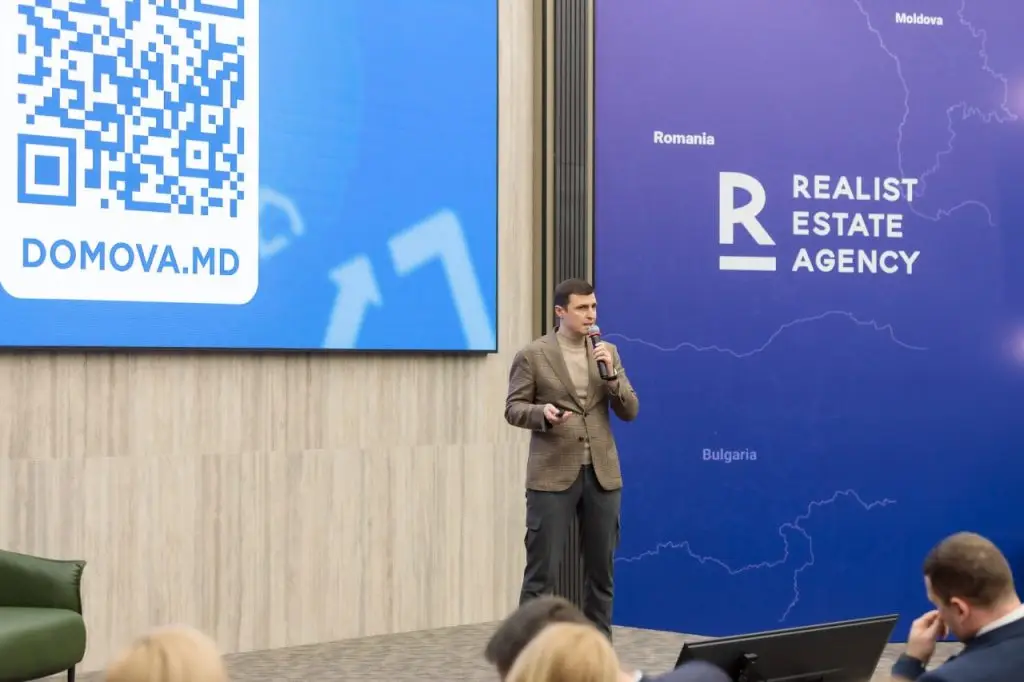
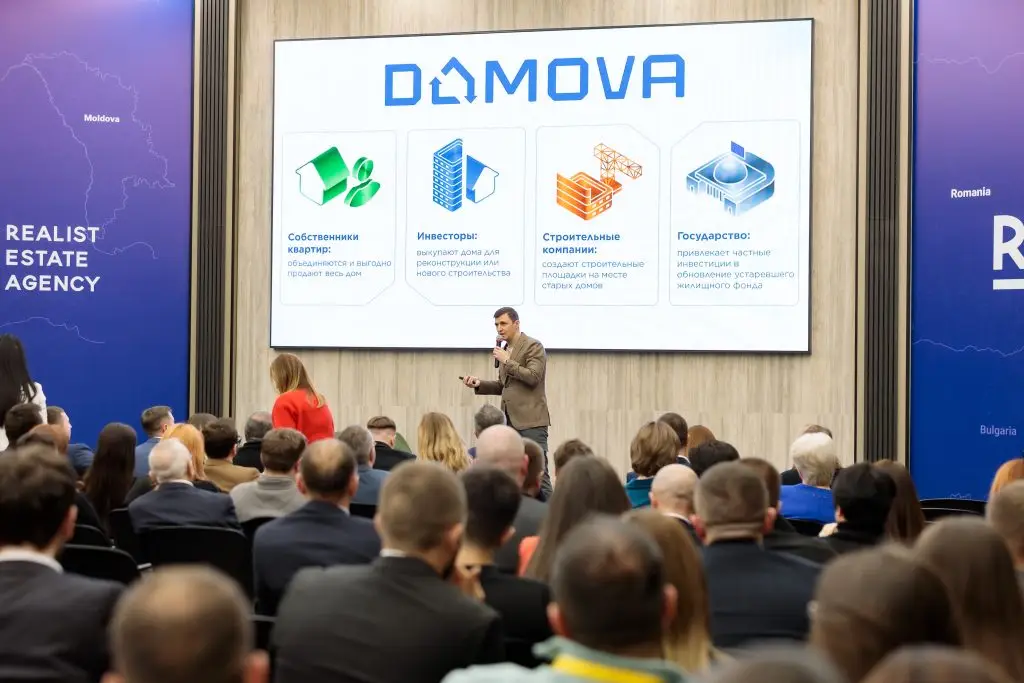

And we have bold plans for the future – we’re currently working hard on entering the Romanian market. This will be the next big step in our mission to transform old buildings into new opportunities for the development of cities and their residents.
At DOMOVA, we believe every old building can be the start of positive changes in a city. Our platform is the place where these changes begin, where property owners meet investors, and where old structures get a chance for a new life.
Thank you to all our users and partners for your trust and collaboration in 2024. Ahead lies a new year, new cities, and new successful projects!
DOMOVA has been recognized as part of Ukraine’s innovative ecosystem — our platform is now featured in the IP&I Guide, created by the Ukrainian National Office for Intellectual Property and Innovations (UANIPIO) in collaboration with the Technology and Innovation Support Center (TISC).
What is the IP&I Guide?
The IP&I Guide is a strategic tool for supporting entrepreneurs, innovators, and startups looking to commercialize their ideas and enter global markets. The guide offers:
- step-by-step algorithms for intellectual property protection;
- practical case studies from real-world businesses;
- expert recommendations on commercialization, global market entry, and rights protection.
DOMOVA has been included in the guide as an exemplary platform that creates a new market in real estate, facilitates housing stock modernization, and attracts investments.
The Role of TISC in Supporting Innovation
The Technology and Innovation Support Center (TISC) is part of a global initiative by the World Intellectual Property Organization (WIPO) and operates within the structure of UANIPIO. TISC provides consultations on intellectual property protection, commercialization of developments, and promotion on international markets.
About DOMOVA
DOMOVA is an innovative platform that unites apartment owners in dilapidated and unsafe buildings to jointly sell the entire property. The platform ensures a transparent process, legal support, and new opportunities for investors and developers. As the platform’s founder, Oleksandr Sarzhan, stated:
“DOMOVA is more than a platform. It is a tool that allows us to transform cities, create new neighborhoods, and improve quality of life.”
Being featured in the IP&I Guide confirms the importance and innovation of DOMOVA. This guide helps innovators protect their ideas and bring them to life, while our platform demonstrates how to effectively implement these principles.
Thank you to UANIPIO, TISC, and our partners for their trust!
This year, the DOMOVA team participated in Web Summit 2024, one of the largest technology events in the world, bringing together thousands of startups, investors, and industry leaders from across the globe in Lisbon. Web Summit has long been a space where cutting-edge ideas come to life, offering tech companies a platform to present their solutions to global challenges. For DOMOVA, this was a valuable opportunity to showcase an innovative platform that unites property owners, investors, and construction companies to collaboratively renovate and restore outdated housing stock.
Why is DOMOVA essential for the real estate market?
DOMOVA is the only platform that allows owners of old or unsafe buildings to join forces and collectively sell the entire property to investors or developers. Our platform addresses several critical challenges:
- helping property owners secure better financial terms for collective sales;
- providing a transparent and secure mechanism for investors;
- supporting construction companies in creating modern developments on the sites of outdated buildings.
DOMOVA makes the housing renovation process more accessible, transparent, and profitable for all market participants. Today, over 7,000 outdated and unsafe buildings in Ukraine are mapped on the DOMOVA platform and are ready for consideration by investors interested in housing stock renewal.
DOMOVA as an Alpha Startup at Web Summit 2024
DOMOVA earned Alpha Startup status, enabling us to present our platform at a dedicated stand among other innovative projects in early development stages but with high scalability potential. This special recognition by Web Summit opens new opportunities for DOMOVA: we connected with potential partners, engaged with startup associations from European countries, attracted investor interest, and discussed strategies for cooperation in both Ukrainian and European markets.
Meetings and New Opportunities
At Web Summit 2024, we not only presented DOMOVA but also actively sought new partners and investors ready to support housing stock renovation.
DOMOVA continues to grow, and we invite everyone who shares our vision for the future to join the conversation: transparent, secure, and profitable investments that make cities more modern and safer to live in. Our goal is to turn DOMOVA into a powerful tool for transforming old housing stock into modern, livable spaces that benefit both investors and local communities.
With DOMOVA, real estate investments are not just about profit—they’re a contribution to city renewal and improving quality of life.
From September 16 to 20, 2024, one of the most anticipated business events of the year took place in Moldova’s capital, Chișinău — Moldova Business Week. Every year, this event brings together representatives of international business, investors, government officials, and industry experts. The organizers — Invest Moldova Agency and the Ministry of Economic Development and Digitalization — worked hard to create a platform for discussing important issues and finding new paths for cooperation.
Why is Moldova Business Week important for Business?
MBW is more than just a conference; it’s an opportunity for participants to find new partners, learn more about Moldova’s investment potential, and explore new markets. This year’s key topics included digitalization, infrastructure development, agriculture, and energy. A significant point of interest was the discussion on reconstructing war-torn regions, particularly Ukraine, which opens new business opportunities across the region.
In his opening speech, Moldova’s Prime Minister Dorin Recean emphasized that the country aims to become a bridge between the European Union and Ukraine in the context of post-war reconstruction. This ambition makes Moldova attractive to international investors and entrepreneurs looking for growth opportunities in the region.
International cooperation and networking opportunities
One of the main benefits of Moldova Business Week, like every event of this scale, is the unique opportunity for networking. Participants had the chance to meet with government representatives, major international companies, investors, and local entrepreneurs. A key focus was placed on digitalization: currently, more than 80% of business processes in Moldova are conducted online, making the country a leader in this area in the region.
This year, numerous foreign delegations participated in the event, further opening the door for closer cooperation between Moldovan businesses and the global market. Government and business representatives actively shared information on investment projects in the country, offering new opportunities for development to the guests.
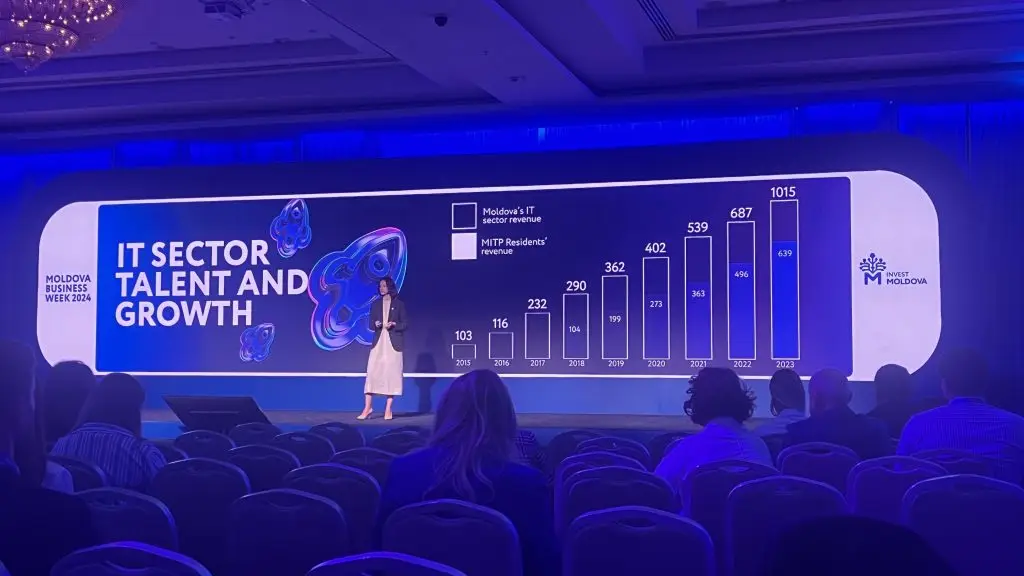
DOMOVA at Moldova Business Week
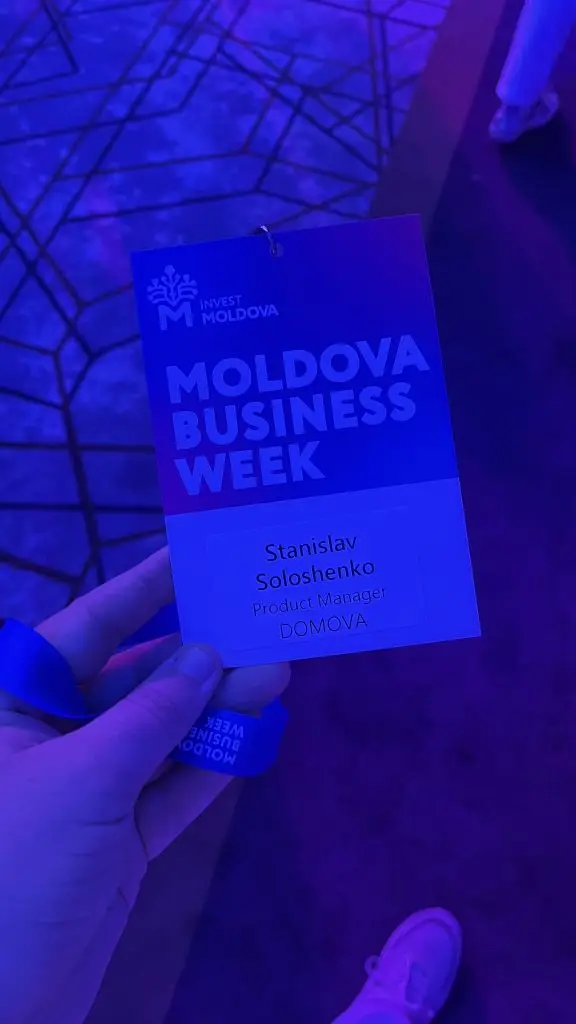
Among the participants of MBW 2024 was our team. In Moldova, where the issue of modernizing old housing is also relevant, we saw potential for developing our platform in this market.
Stanislav Soloshenko, DOMOVA’s Product Manager, had the opportunity to meet with Moldova’s Minister of Economic Development and Digitalization, Dumitru Alaiba. Their discussion focused on potential digital solutions for the real estate sector and collaboration opportunities through e-Park — Europe’s first electronic park supporting businesses.
Impressions and future plans
It was a great platform for exchanging ideas and building new contacts. For us, participation in the event was a valuable experience, as the team had the opportunity not only to present our platform but also to receive feedback from participants and get a closer look at the Moldovan market.
After the forum, we plan to continue exploring opportunities for cooperation and adapting our solutions to the Moldovan market. This is just the beginning, and more concrete steps toward development will follow, which we’ll be able to discuss publicly.